
Healthcare systems across the country are facing a growing gap between what patients need and what physicians can reasonably deliver.
Trust is declining, emergency room visits are increasing, and staff shortages continue to stretch resources. Patients are frustrated, and physicians are burned out.
Remote patient monitoring (RPM) can help relieve some of this pressure. When designed thoughtfully, RPM allows patients to stay connected to their care and avoid unnecessary hospital visits. For physicians, it enables earlier interventions, improved efficiency, and fewer moments of crisis care.
To make a meaningful impact, RPM has to fit into patients’ routines and clinical workflows.
What Remote Patient Monitoring Looks Like In Practice
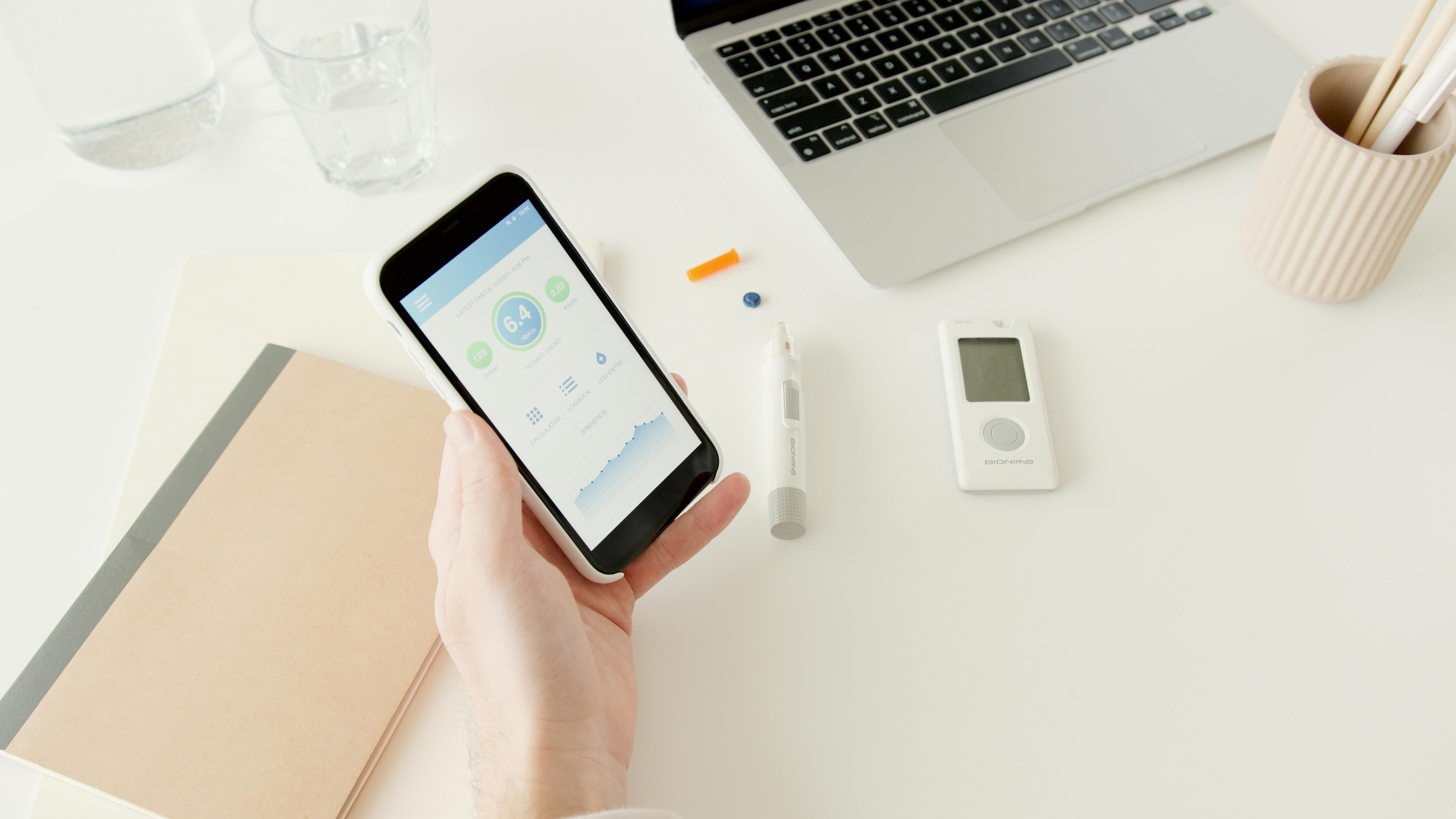
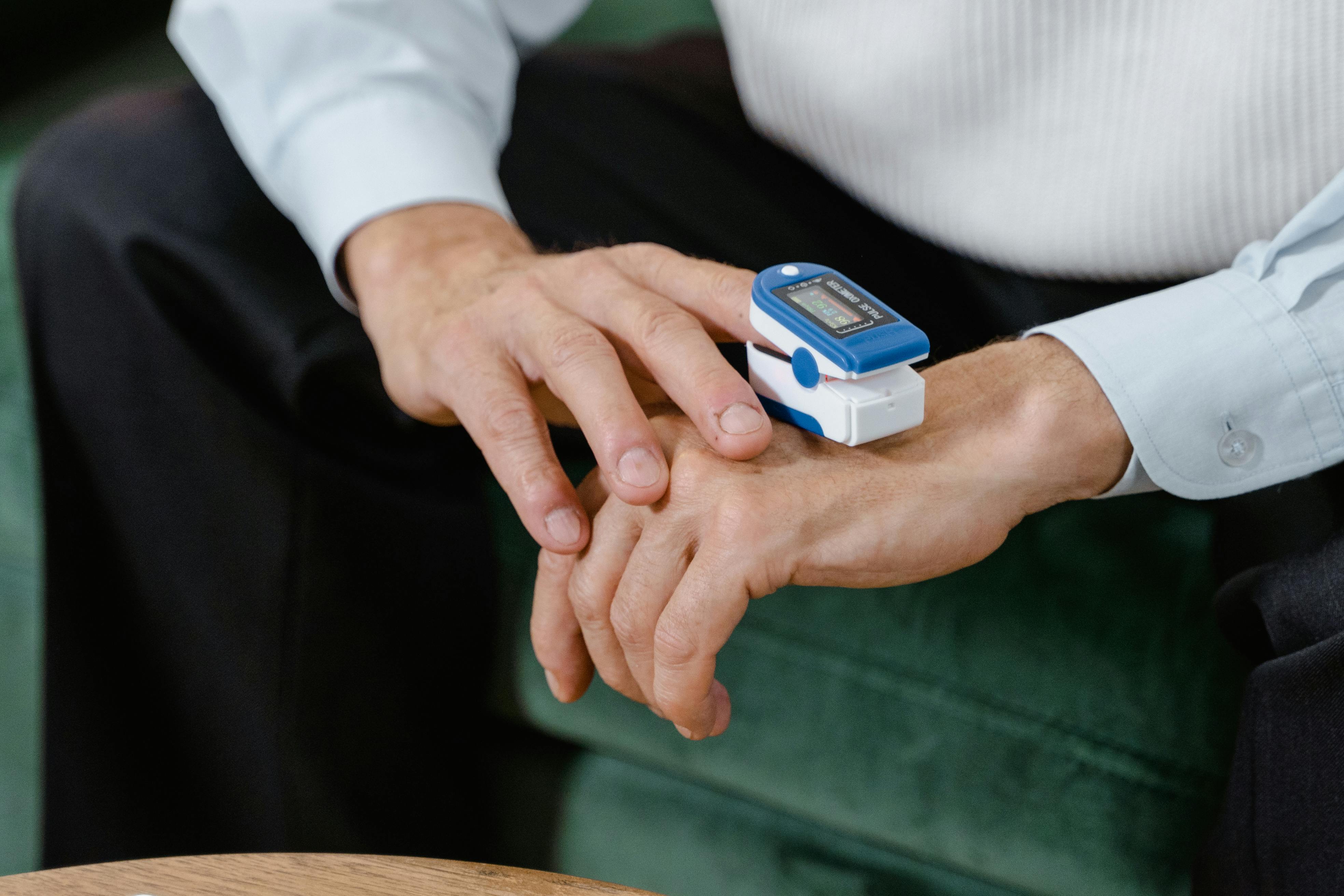
RPM is most commonly used to support chronic conditions. Patients track health metrics like blood pressure, glucose, or oxygen levels from home and share that data with their care team between visits.
When implemented effectively, the results are compelling:
- The U.S. remote patient monitoring market is expected to reach over $29 billion by 20304
- RPM programs have reduced emergency room visits by 51%3
- AI-supported RPM has reduced 30-day readmissions by 70% and cut care costs by 38%2
- In a rural health program, RPM with care coordination led to a 20-point drop in systolic blood pressure, highlighting the impact in underserved communities1
These outcomes point to a future where care is more proactive, personalized, and sustainable. But success depends on more than just technology. It requires engagement, trust, and usability across the board.
The Breakdown Happens In The Experience
Many RPM programs struggle not because of technical issues, but because the experience doesn’t support the people using it. Patients may be unsure how to use the tools. Physicians might question the quality or relevance of the data. Clinical teams may lack the time or processes to take consistent action.
When the experience is confusing or disconnected, the program becomes just another strain on an already overwhelmed system. Market research can help identify and solve these gaps.
Where Market Research Comes In
Market research helps healthcare organizations understand how people actually interact with remote monitoring by mapping the full patient and physician journey and surfacing the touchpoints where programs either succeed or fall apart.
This looks like:
- Patient experience research to understand where and why drop-off happens
- Journey mapping to identify critical points in the care flow
- Behavioral science to uncover hidden motivators and concerns
- Clinician interviews to ensure solutions are usable and realistic
This research helps teams create RPM programs that people trust, use, and benefit from.
A Realistic Tool For A Strained System
Remote patient monitoring supports better patient outcomes, reduces avoidable visits, and gives physicians the information they need—before problems escalate.
At MDRG, we help healthcare organizations use market research to find healthcare solutions that benefit patients and physicians alike.
Contact us to learn how to apply those insights where they matter most.
References
- Ayoola, O., Singh, K., Omar, A., & Lin, J. (2025). Digital care coordination paired with RPM improves outcomes in underserved populations. arXiv. https://arxiv.org/abs/2508.19378
- Intuition Labs. (2025). Remote patient monitoring in the United States: 2025 landscape. https://intuitionlabs.ai/articles/remote-patient-monitoring-united-states-2025-landscape
- Market.US. (2025). Remote patient monitoring statistics. https://media.market.us/remote-patient-monitoring-statistics/
- MarketsandMarkets. (2025). U.S. Remote Patient Monitoring Market Forecast. https://www.globenewswire.com/news-release/2025/04/15/3061796/0/en/US-Remote-Patient-Monitoring-Market-worth-US-29-13-billion-by-2030-with-12-8-CAGR-MarketsandMarkets.html
Topics from this blog: Healthcare