
Artificial intelligence is becoming a bigger part of healthcare, but what that looks like today is still evolving. From automating administrative tasks to supporting clinical decisions, AI is showing up in more places across the system. At the same time, it’s raising new questions around trust, oversight, and even the environmental impact of the computing power required to support it.
Some applications are already delivering real value. Others are still being tested or refined. So rather than viewing AI as either overhyped or fully transformative, it’s more useful to look at where things stand right now, and how both technology and perception are shaping what comes next.
"Today, more than 80% of physicians report using AI in their professional work, double the rate reported in 2023" – American Medical Association
AI Is Already Here, Just Not Always Where You Expect
Whether it’s visible or not, AI is already being used. According to the American Medical Association, four in five physicians report using some form of AI, most often for things like documentation, workflow support, and administrative tasks. At the organizational level, research from Menlo Ventures suggests about one in four healthcare organizations have implemented AI tools in some way.
What’s notable, though, is where AI is making the biggest impact today. Much of it is happening behind the scenes, helping with scheduling, note-taking, and data organization, rather than directly replacing or leading patient care. While clinical use cases like diagnostic support are advancing, they’re still developing and often require careful oversight.
Where AI Shows Real Potential
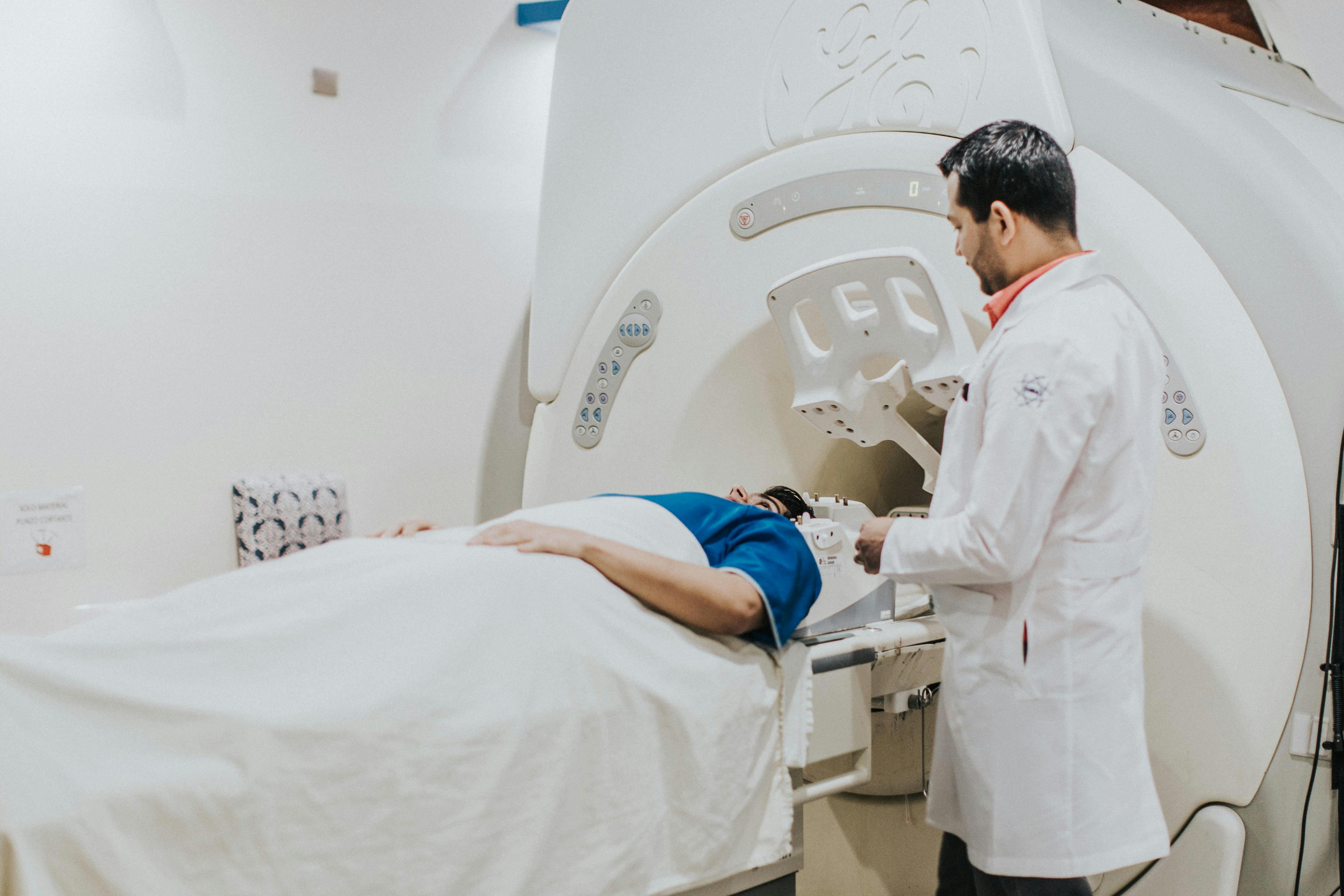
There’s good reason for the excitement around certain aspects of AI in healthcare. Research published in outlets like the JAMA Network highlights how AI can support diagnostics, especially in areas like radiology where pattern recognition is key. It’s also being used to identify risks earlier by analyzing large datasets, which can help with prevention and population health efforts.
But some of the most immediate benefits are simpler. Reports from organizations like Deloitte point out that AI can reduce administrative burden, automating things like documentation and scheduling, which can free up time for providers.
Where Things Get More Complicated
That said, bringing AI into real-world healthcare settings isn’t always straightforward. Research from the National Center for Biotechnology Information shows that AI models that perform well in controlled environments don’t always translate perfectly into everyday clinical use. Differences in data, workflows, and patient populations can all affect how well these tools work in practice.
There are also practical challenges. Healthcare systems are often complex and are not always built to easily integrate new technologies. Insights from EY highlight that infrastructure and interoperability continue to be barriers.
So, while AI is advancing, its rollout is often more gradual, and sometimes messier than expected.
How Patients Think About AI
When it comes to patients, the story is less about whether AI exists in healthcare and more about how comfortable people are with it.
Research from the Pew Research Center suggests that some people see both benefits and risks when it comes to AI in healthcare, with a few recognizing its potential to improve efficiency or reduce errors, most have low comfort levels when AI is used for more direct clinical decisions like diagnosis or treatment.
"Six-in-ten U.S. adults say they would feel uncomfortable if their own health care provider relied on artificial intelligence to do things like diagnose disease and recommend treatments; a significantly smaller share (39%) say they would feel comfortable with this." – Pew Research Center
There’s also a growing awareness of broader concerns. Data privacy is one, but environmental impact is starting to come into the conversation as well. AI systems require significant computing power and reports from the International Energy Agency highlight the increasing energy demands tied to large-scale data infrastructure.
How Providers Approach AI
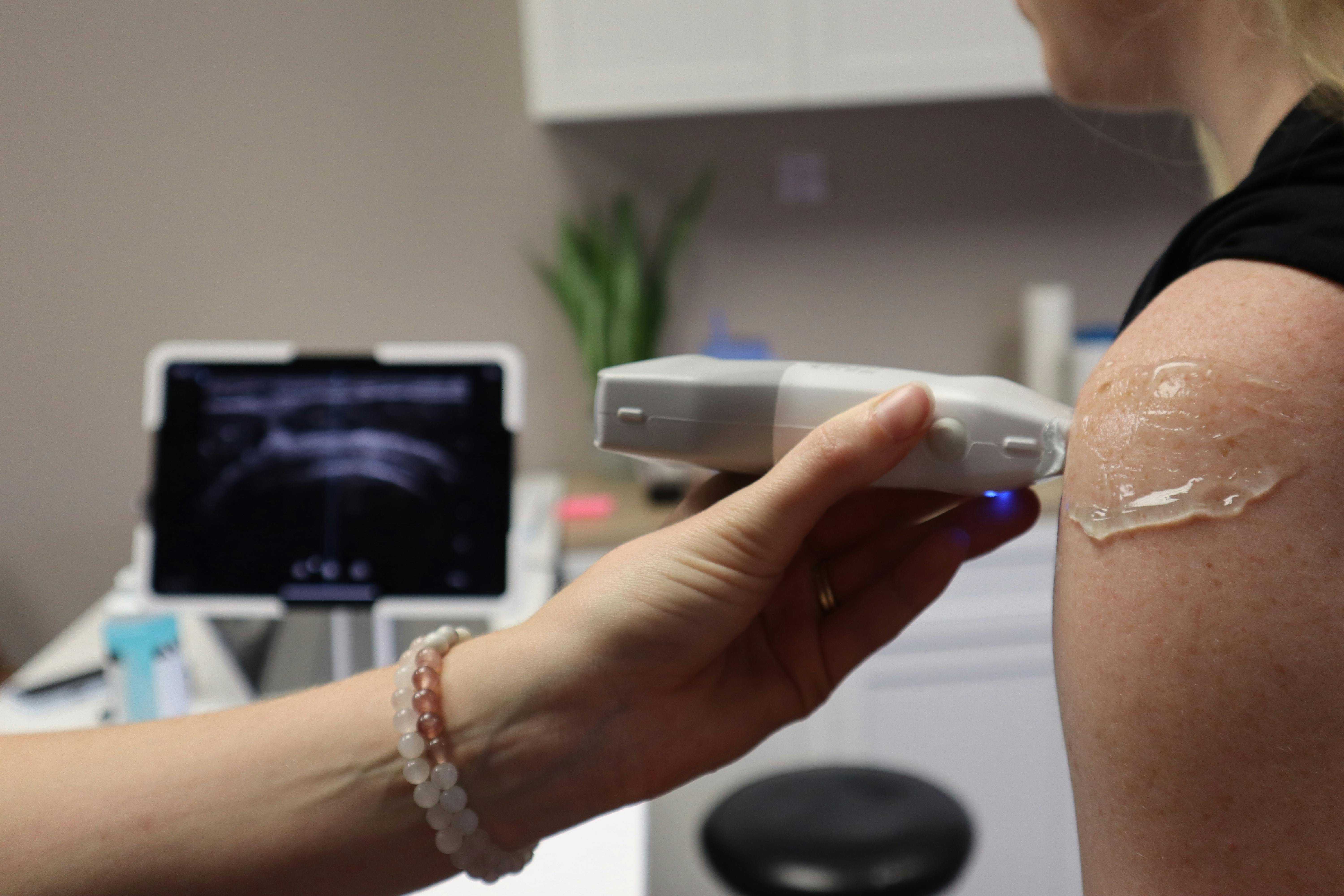
Healthcare providers are also figuring out where AI fits. Many are already using it, especially for administrative support, but there’s still a level of caution when it comes to relying on it for clinical decisions.
Key questions tend to come up around:
- How accurate the outputs are
- How AI fits into existing workflows
- Who is responsible if something goes wrong
- Where are people comfortable with AI, and where does discomfort set in?
- What builds trust in AI-driven tools?
- How should AI be communicated to avoid confusion or concern?
Guidance from the American Medical Association emphasizes that AI should support, not replace, clinical judgment.
That’s largely how it’s being used today: as a tool that helps providers work more efficiently, rather than something that takes over decision-making.
Ethics And Regulation Are Still Catching Up
As AI becomes more common, ethical and regulatory questions are becoming harder to ignore.
Organizations like the World Health Organization have outlined key concerns, including bias in algorithms, lack of transparency, and accountability when errors happen. These aren’t just technical issues; they directly affect how much people trust these tools.
On the regulatory side, agencies like the FDA are working to develop frameworks for AI in healthcare. But given how quickly the technology is evolving, regulations are still catching up.
This creates a bit of a balancing act: enabling innovation while also ensuring safety and accountability.
Understanding The Perception Shift
Understanding how patients and providers actually feel about AI in healthcare is just as critical as understanding what the technology can do.
Asking the right questions can make all the difference:
Research from McKinsey & Company consistently points to trust and understanding as the primary drivers of adoption—meaning the human side of this equation matters as much as the technical one.
Looking Ahead: A Gradual Shift, Not A Sudden Change
AI will likely continue to grow in healthcare, but not all at once.
Ideally, instead of replacing providers, it would become another layer within the system: one that supports decisions, improves efficiency, and helps make better use of data.
The pace of that change will depend not just on the technology itself, but on how comfortable people are with it, how well it’s integrated, and how clearly its role is defined.
Final Thoughts
AI is already shaping healthcare, but in ways that are often subtle and more incremental than expected. Some use cases are working well today, while others are still evolving, with real challenges to work through.
At the same time, adoption isn’t just about what AI can do. It’s about how it’s understood, trusted, and used by both patients and providers.
References
American Medical Association. (n.d.). Augmented intelligence in medicine. https://www.ama-assn.org/practice-management/digital-health/augmented-intelligence-medicine
Deloitte. (n.d.). The future of artificial intelligence in health care. https://www.deloitte.com/us/en/Industries/life-sciences-health-care/articles/future-of-artificial-intelligence-in-health-care.html
Ernst & Young. (n.d.). AI in health care: Regulatory and legislative outlook. https://www.ey.com/en_us/health/ai-in-health-care-regulatory-and-legislative-outlook
International Energy Agency. (n.d.). Energy and AI. https://www.iea.org/reports/energy-and-ai
McKinsey & Company. (n.d.). The economic potential of generative AI: The next productivity frontier. https://www.mckinsey.com/industries/healthcare/our-insights/the-economic-potential-of-generative-ai-the-next-productivity-frontier
Menlo Ventures. (2025). 2025: The state of AI in healthcare. https://menlovc.com/perspective/2025-the-state-of-ai-in-healthcare/
National Center for Biotechnology Information. (n.d.). AI in real-world healthcare settings. https://www.ncbi.nlm.nih.gov/pmc/articles/PMC12700513/
Pew Research Center. (2023, February 22). 60% of Americans would be uncomfortable with provider relying on AI in their own health care. https://www.pewresearch.org/science/2023/02/22/60-of-americans-would-be-uncomfortable-with-provider-relying-on-ai-in-their-own-health-care/
U.S. Food and Drug Administration. (n.d.). Artificial intelligence and machine learning software as a medical device. https://www.fda.gov/medical-devices/software-medical-device-samd/artificial-intelligence-and-machine-learning-software-medical-device
World Health Organization. (2021). Ethics and governance of artificial intelligence for health. https://www.who.int/publications/i/item/9789240029200
Topics from this blog: Market Research Quantitative Research Healthcare